Introduction
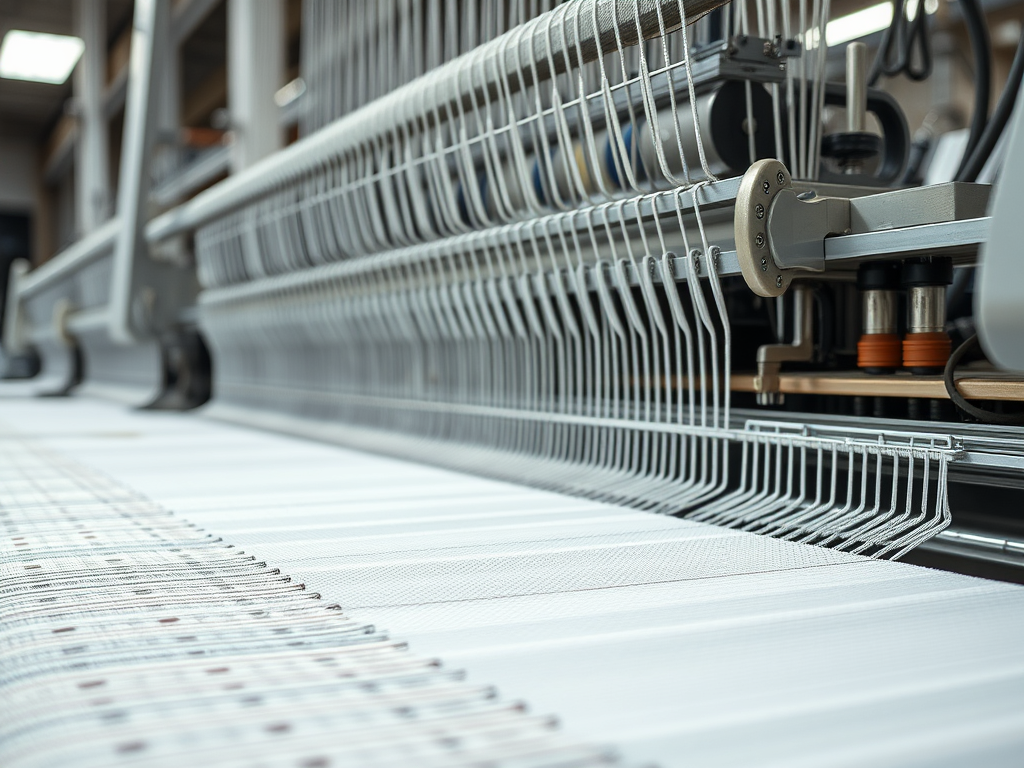
In every textile mill, knitting machines run continuously for long hours. To keep them smooth and avoid needle damage, a special lubricant is required — this is known as Knitting Oil.
It is a high-performance, low-stain, anti-friction oil used in circular knitting and hosiery machines.
Whether you are running a small knitting unit or a large mill, choosing the right knitting oil determines your machine’s productivity, fabric quality, and maintenance cost.
In this guide, we’ll explain everything about knitting oil:
- What it is
- Why it is used
- Different grades
- Technical properties
- How to choose the best knitting oil
- And how SEVENOL Knitting Oil improves production efficiency

⭐ What Is Knitting Oil?
Knitting oil is a specially formulated textile lubricant designed for lubrication of:
- Circular knitting machines
- Flat knitting machines
- Hosiery machines
- Rib machines
- Interlock knitting machines
It reduces friction between:
- Needles
- Sinkers
- Cams
- Needle beds
This helps the machine run faster and cooler while protecting the fabric from stains.
⭐ Why Is Knitting Oil Used? (Key Benefits)
💠 1. Reduces Friction
Knitting machines operate at high speeds (up to 800–1200 RPM). Without proper lubrication, friction increases, causing heat and wear.
A good knitting oil ensures smooth and silent operation.
💠 2. Prevents Needle & Sinker Wear
Needles are expensive consumables. A high-quality knitting oil reduces wear and increases needle life by up to 30–40%.
💠 3. Stain-Free Fabric
Modern knitting oils are designed to be low-stain and easily washable.
This ensures the fabric doesn’t get yellow or oily marks.
💠 4. Prevents Rust & Corrosion
Knitting machines operate in humid environments. Knitting oil contains anti-rust additives to protect metal parts.
💠 5. Improves Machine Efficiency
A properly lubricated machine runs faster, consumes less power, and reduces downtime.
⭐ Technical Properties of Good Knitting Oil
A high-quality knitting oil must have:
✔ Low Viscosity Variation
Should not become too thick or too thin at temperature changes.
✔ High Oxidation Stability
Prevents oil degradation even after long usage.
✔ Anti-Wear & Extreme Pressure Additives (EP)
Protects machine parts under heavy load.
✔ Low Foam & Low Odour
Ensures smoother knitting experience for operators.
✔ Water Washability
Fabric stains must be removable during normal scouring.
⭐ How to Choose the Best Knitting Oil for Your Factory
Here are the key factors:
1️⃣ Machine Type
- Circular knitting → Grade 32
- Rib or interlock → Grade 46
- Hosiery → Grade 22
2️⃣ Machine Speed
Higher the RPM → slightly higher viscosity needed.
3️⃣ Yarn Type
Cotton, PC, Viscose, Lycra, Polyester — each requires a balanced anti-stain formula.
4️⃣ Washability Requirement
If you do export-quality fabric → choose high washability oils.
5️⃣ Budget vs Value
Cheaper oils may damage needles and create stains.
This leads to more losses than the oil price savings.
⭐ How SEVENOL Knitting Oil Helps Your Textile Mill
SEVENOL PETROLUBES offers premium knitting oils designed for Indian textile mills:
✔ Anti-Stain
Leaves almost zero marks on fabric.
✔ Water-Washable Formula
Easy removal during scouring and dyeing process.
✔ High Lubricity
Reduces needle heat and friction.
✔ Long Needle Life
Protects machine components and reduces maintenance cost.
✔ Suitable for All Knitting Machines
Works on all circular, rib, interlock & hosiery machines.
✔ Affordable Pricing
Factory-direct supply ensures lower cost to mills and job workers.
⭐ Common Problems Caused by Poor Knitting Oil
Here are issues commonly seen in mills:
❌ Needle breakage
❌ Yarn breakage
❌ Fabric oily stains
❌ Overheating of knitting head
❌ Needle cuts on lycra fabrics
❌ High consumption of oil
❌ Rust formation on machines
Switching to a high-quality knitting oil can eliminate 90% of these problems.
⭐ Frequently Asked Questions (FAQ)
Q1: Can knitting oil cause fabric staining?
Only low-quality oils stain. SEVENOL Knitting Oil is designed to be low-stain and easily washable.
Q2: Which grade is best for circular knitting?
Grade 32 or 46 depending on RPM and machine age.
Q3: Is knitting oil water soluble?
Some special variants are water-soluble, but standard knitting oils are emulsifiable and washable.
Q4: How often should knitting oil be applied?
Regular lubrication every few hours is recommended depending on machine load.
⭐ Conclusion
Knitting oil is one of the most important consumables in any textile mill.
Choosing the right oil increases machine life, improves fabric quality, and boosts productivity.
If you are looking for high-performance knitting oil for your factory, SEVENOL Knitting Oil is formulated to give smooth production, stain-free results, and excellent machine protection.
 SEVENOL PETROLUBES
Leave a comment